

Albania
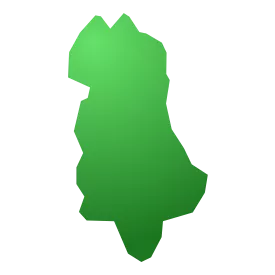
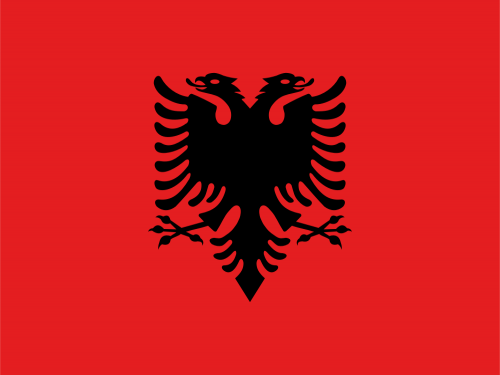
Discover Albania
Currency
Lek
Capital
Tirana
Languages Spoken
Albanian
Fun Foods
Byrek, Tavë Kosi, Fergese, Mish në pus
During World War II, Albania was the only country in Nazi-occupied Europe where the Jewish population actually increased. Albanian Muslims and Christians hid every single Jew who sought refuge, following an ancient code called Besa that made protecting guests more important than their own lives. Not one was lost.
This hospitality code isn't just history. Show up lost in Tirana today, and strangers will stop their backgammon games to invite you home for lunch.
The Besa tradition goes back to the Illyrians, Albania's indigenous ancestors who occupied this Adriatic coast for centuries before Romans, Byzantines, and eventually the Ottoman Empire rolled through.
The Ottomans controlled Albania for over 400 years starting around 1500. But in the 1400s, a nobleman named Skanderbeg became a national hero by leading fierce resistance against Ottoman conquest.
His castle still stands in Kruja, and his statue dominates Tirana's main square, showing him on horseback mid-battle.
Albania finally broke free from Ottoman rule and declared independence in 1912 after resisting decisions from the Congress of Berlin.
Then came an even darker period. Communist dictator Enver Hoxha seized power in 1946 and sealed the country off from the world for 45 years.
He banned all religion in 1967, declaring Albania the world's first atheist state. Mosques and churches were destroyed or turned into warehouses.
When communism collapsed in 1991, Albanians had been cut off so long that some had never seen a banana.
The 1990s brought freedom but also chaos. In 1997, pyramid schemes collapsed and citizens lost their savings, sparking a civil war.
People raided weapons depots and Albania became Europe's newest refugee crisis.
Today, Albania blends its wild past with Mediterranean charm. The Albanian Riviera stretches along pristine coastline that Italy sees from just 50 miles across the Adriatic.
Ancient Butrint ruins showcase Greek and Roman heritage. The stone city of Gjirokaster displays Ottoman-era architecture climbing steep hillsides.
Albanian food mixes Mediterranean and Balkan flavors. Restaurants serve lamb roasted in underground ovens, tart mountain cheeses, and byrek, flaky pastry filled with cheese or spinach.
Summer Day on March 14 celebrates spring's arrival with outdoor feasts and traditional music featuring the çifteli, a two-stringed lute.
Experience Points

EARN UP TO
1,000 XP
in Albania — collect the sticker and the trading card.
Start your travel passportPoints Available
| Sticker | 800 XP |
| Trading Card | 200 XP |
| Total | 1,000 XP |