

Angola
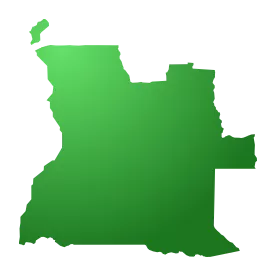
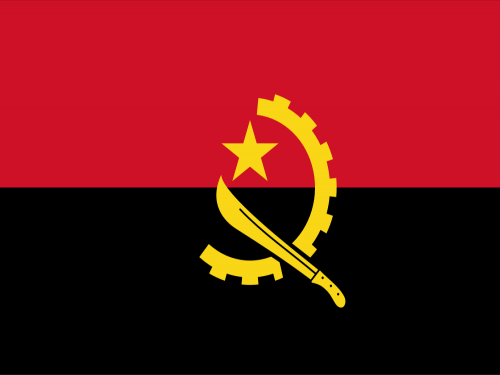
Discover Angola
Currency
Kwanza
Capital
Luanda
Languages Spoken
Portuguese
Fun Foods
Funge, Moamba de Galinha, Chikwanga
Angola has an animal that exists nowhere else on Earth. The Giant Sable Antelope, with curved horns that can reach over five feet long, survived a 27-year civil war that nearly wiped out everything else in the country.
This antelope became a national symbol during Angola's darkest period. Portugal controlled the country from the 1500s until November 11, 1975, when Angola finally won independence. But freedom lasted exactly one day before civil war erupted.
The MPLA and UNITA, two groups that had fought Portugal together, immediately turned on each other. The MPLA held Luanda with backing from Cuba and the Soviet Union. UNITA, led by Jonas Savimbi, controlled the southeast with support from apartheid South Africa and the United States. The Cold War had come to Africa in the worst possible way.
For 27 years, Angola tore itself apart. Between 500,000 and 800,000 people died. Landmines maimed hundreds of thousands more. Four million Angolans fled their homes. The 1987-88 Battle of Cuito Cuanavale became the largest battle ever fought in sub-Saharan Africa.
When Jonas Savimbi was killed in 2002, the war finally ended. UNITA became a political party. The Giant Sable survived the conflict in protected areas. Today it's protected and photographed instead of hunted.
The Ovimbundu people, Angola's largest ethnic group at 35-40% of the population, live mainly in the central highlands. Other Bantu groups and the indigenous Khoisan contributed to Angola's culture over thousands of years. Traditional semba dance, with its fast hip movements and rhythmic beats, influenced Brazilian samba.
Independence Day on November 11 celebrates both freedom from Portugal and the end of the civil war. Families gather for festivals with music, dancing, and traditional foods.
Angola's landscapes range from desert to rainforest. Kalandula Falls, Africa's second-largest waterfall, draws visitors with its thundering cascades. Kissama National Park offers wildlife safaris with elephants, lions, and giraffes roaming freely.
Cabo Ledo has become famous for surfing, with Atlantic waves attracting riders from around the world. The capital Luanda, which the MPLA fought so hard to control, now mixes Portuguese colonial buildings with gleaming Brazilian-style suburbs and Chinese-built apartment blocks. Here, markets sell fresh fish from the Atlantic alongside traditional crafts.
Experience Points

EARN UP TO
1,250 XP
in Angola — collect the sticker and the trading card.
Start your travel passportPoints Available
| Sticker | 1,000 XP |
| Trading Card | 250 XP |
| Total | 1,250 XP |