

Bahamas
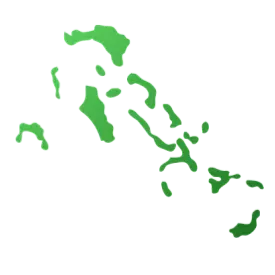
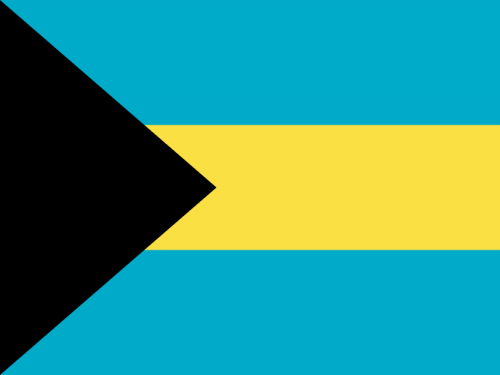
Discover Bahamas
Currency
Bahamian Dollar
Capital
Nassau
Languages Spoken
English
Fun Foods
Conch fritters, Fresh fish
Blackbeard, Calico Jack, and Anne Bonny all lived in the Bahamas. During the 1600s and 1700s, the 700 islands became the Republic of Pirates, a lawless haven where outlaws hid treasure and ambushed merchant ships sailing past.
The shallow waters and countless hiding spots made the Bahamas perfect for piracy. Pirates ruled the islands for decades, and locals still believe buried treasure exists somewhere on the beaches.
But people lived there long before pirates showed up. The Lucayan people, about 40,000 of them, arrived around 500 to 800 AD from other Caribbean islands.
They called their home Guanahani.
On October 12, 1492, Christopher Columbus landed and renamed the islands San Salvador, claiming them for Spain. Within 25 years, every single Lucayan was dead.
Slavery, disease, and brutal treatment wiped out the entire population.
Britain eventually took control and brought enslaved Africans to work plantations. After the American Revolution, British Loyalists fled to the Bahamas with even more enslaved people.
Slavery wasn't abolished until 1834.
About 85% of Bahamians today are descendants of those enslaved Africans. They transformed ancestral pain into vibrant cultural celebration.
On July 10, 1973, the Bahamas gained independence from Britain after 325 years of colonial rule. Independence Day is celebrated across all islands every year.
Junkanoo parades take over Bay Street in Nassau on Boxing Day (December 26) and New Year's Day.
The festival has roots in slavery when enslaved people got three days off at Christmas and celebrated with music, dancing, and masks.
Participants spend months creating elaborate costumes covered in feathers, sequins, and papier-mâché. Goatskin drums, cowbells, whistles, and horns pound out the rhythm while thousands dance through the streets after midnight.
Try conch fritters, deep-fried balls of chopped conch with peppers and spices. Conch salad uses raw conch with lime juice, tomatoes, and hot peppers.
Peas and rice with fresh fish is the national comfort food.
Goombay music comes from rake and scrape bands that create their sound using carpenter's saws scraped with metal files. Enslaved people invented this music using whatever tools they had.
The sound is raw, rhythmic, and unforgettable.
Experience Points


Points Available
| Sticker | 600 XP |
| Trading Card | 200 XP |
| Total | 800 XP |