

Burundi

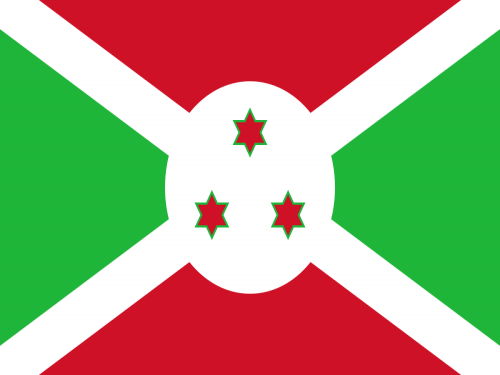
Discover Burundi
Currency
Burundian Franc
Capital
Gitega
Languages Spoken
Kirundi, French, and English
Fun Foods
Ugali, Grilled Meat Skewers, Fried Plantains, Mandazi
Lake Tanganyika is so deep that if you dropped the Empire State Building into it, the building would sink 3,000 feet underwater before hitting bottom. This massive lake borders Burundi, a tiny country in East Africa.
Belgium and Germany controlled Burundi for decades, treating it like property they could trade back and forth. In 1962, Burundians finally kicked out the colonizers and became independent.
Prince Louis Rwagasore led the independence movement and won elections, but he was assassinated just weeks after the vote. His murder devastated the country and set off decades of instability.
The years after independence were brutal. Politicians used ethnic divisions between Hutu and Tutsi groups to grab power, sparking violence that killed hundreds of thousands of people.
In 1993, President Melchior Ndadaye became the first democratically elected Hutu president, bringing hope for peace. Four months later, Tutsi soldiers assassinated him, triggering a civil war that lasted until 2005.
The Arusha Peace Agreement in 2000 finally started bringing different groups together. Today, Burundi's working to heal from years of conflict, though the country still faces challenges.
Despite this difficult past, Burundi has natural wonders worth exploring. Visit Lake Tanganyika's beaches near Bujumbura, the largest city. Swim in the second-deepest freshwater lake on Earth.
Rusizi National Park has hippos wallowing in wetlands and birds migrating from Europe and Asia. The Gishora Drum Sanctuary showcases the Royal Drummers, who leap and spin while hammering out rhythms on massive drums called Ingoma.
Karera Waterfalls cascade down rocks perfect for exploring.
Those Royal Drummers at Gishora aren't just entertainment. They're UNESCO-protected cultural treasures. These athletic performers pound giant hollow tree-trunk drums in synchronized patterns, jumping and twirling around a sacred central drum.
Historically, these drums announced royal ceremonies and important events. Now they represent Burundian identity and resilience.
Every February, the Umuganuro Harvest Festival celebrates the first crops with drumming, dancing, and community feasts. This ancient tradition connects modern Burundians to their pre-colonial past.
Food connects Burundians too. Street vendors sell grilled meat skewers and fried plantains. Locals eat ugali, a thick porridge made from cassava or corn, scooped up with hands and dipped in sauces.
Coffee grows on hillsides, and Burundi produces some of Africa's best beans.
Experience Points


EARN UP TO
1,000 XP
in Burundi — collect the sticker and the trading card.
Start your travel passportPoints Available
| Sticker | 800 XP |
| Trading Card | 200 XP |
| Total | 1,000 XP |