

Côte d'Ivoire
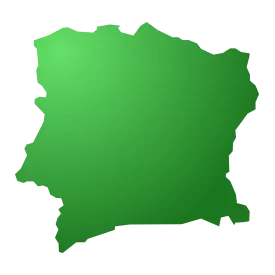
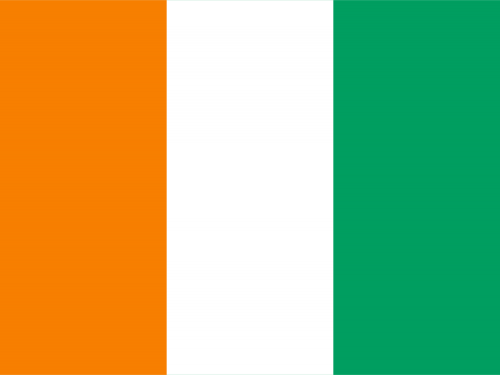
Discover Côte d'Ivoire
Currency
West African CFA Franc
Capital
Yamoussoukro
Languages Spoken
French
Fun Foods
Alloco, Attiéké, Kedjenou, Bananes braisées, Beignets
Your chocolate bar probably started here. Côte d'Ivoire grows more cocoa than any other country on Earth. Almost half the world's chocolate begins in Ivorian fields.
Over 60 ethnic groups have lived in this area for centuries, including the Baoulé, Senufo, and Bété peoples. They built kingdoms, traded gold, and developed art traditions that still define the country.
Then Europeans arrived looking for things to take.
Portuguese traders came in the 15th century for ivory and enslaved people. The French pushed in during the 1800s and made the region a colony by 1893. They called it Côte d'Ivoire, French for "Ivory Coast," after the elephant tusks they'd been buying.
France extracted coffee, cocoa, and timber for decades.
Independence came on August 7, 1960. Félix Houphouët-Boigny became the first president and ruled for 33 years. Under his leadership, Côte d'Ivoire became the richest country in West Africa. They called it the "Ivorian Miracle."
But the miracle didn't last. After Houphouët-Boigny died in 1993, political chaos followed. Two civil wars tore the country apart between 2002 and 2011. The nation split in half. Thousands died.
Today Côte d'Ivoire is rebuilding and welcoming visitors again.
Yamoussoukro is the official capital, home to the Basilica of Our Lady of Peace. It's one of the largest churches on Earth, bigger than St. Peter's in Rome, rising from the savanna. Grand-Bassam is a UNESCO World Heritage Site with crumbling French colonial buildings along the beach. Taï National Park protects one of the last rainforests in West Africa, where chimpanzees swing through the canopy.
After all that exploring, you'll need to eat. Attiéké is cassava ground into couscous-like grains. It comes with everything. Alloco is fried plantains served with spicy pepper sauce. Kids eat them like fries. Kedjenou is chicken slow-cooked in a sealed pot with vegetables until it falls off the bone.
Festivals here demand attention. The Festival of Masks in Man brings dancers on stilts towering 15 feet tall. Abissa on the coast is a week of music, dancing, and settling old disputes before the new year.
Experience Points


XP EARNED OUT OF 0
Points Breakdown
| Sticker Collected | 0 XP |
| Card Collected | 0 XP |
| Bonuses | 0 XP |
| Total | 0 XP |
Your travel history
First Visit
---
Last Visit
---
You've logged 0 visits.