

Dominican Republic
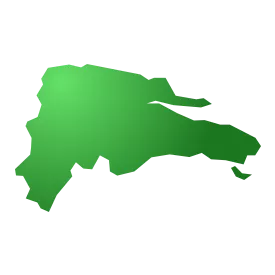
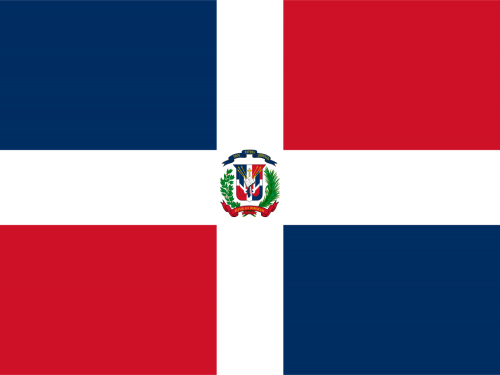
Discover Dominican Republic
Currency
Dominican Peso
Capital
Santo Domingo
Languages Spoken
Spanish
Fun Foods
La Bandera, Mangú, Pollo Guisado, Sancocho, Tostones, Habichuelas con Dulce, Tropical Fruit
For a small country, the Dominican Republic produces an astonishing number of baseball stars. After the United States, no country on Earth sends more players to the major leagues.
Kids here grow up playing ball everywhere, sometimes with a broomstick for a bat and a bottle cap for a ball. One town, San Pedro de Macorís, has produced so many great infielders that it's nicknamed the "land of shortstops."
But the Dominican Republic's story began long before baseball, right at the start of European arrival in the Americas. When Christopher Columbus reached this island in 1492, it was home to the Taíno people, who had lived here for thousands of years.
The Spanish built their first city in the New World here. The capital, Santo Domingo, is the oldest European-founded city in all of the Americas. It has the first cathedral, the first university, and the first hospital ever built in this part of the world.
For the Taíno, though, the arrival of the Spanish was a catastrophe. Within a few generations, almost all of them had died from disease and harsh forced labor.
The Dominican Republic shares its island, Hispaniola, with another country, Haiti. The two nations have very different histories and even speak different languages.
For 22 years, Haiti actually ruled the eastern side, until the Dominicans won their independence in 1844, one of the few countries that became free from a neighbor rather than a faraway empire.
Independence didn't mean an easy life. For much of the 20th century, the country was controlled by a fearsome dictator named Rafael Trujillo, who ruled for 31 years and even renamed the capital city after himself, until he was killed in 1961.
Today, the Dominican Republic is a lively, musical place. Two famous styles of music and dance, merengue and bachata, were both born here.
In the capital, you can wander the old stone streets of the Zona Colonial, past 500-year-old buildings. Out on the Samaná coast, thousands of humpback whales arrive each winter to have their babies in the warm water.
And for hikers, Pico Duarte is the highest mountain in the entire Caribbean.
For food, the everyday favorite is la bandera, "the flag": a plate of rice, beans, and meat. Breakfast often means mangú, mashed plantains, and a big pot of sancocho stew feeds the whole family on special days.
Experience Points


EARN UP TO
1,000 XP
in Dominican Republic — collect the sticker and the trading card.
Start your travel passportPoints Available
| Sticker | 750 XP |
| Trading Card | 250 XP |
| Total | 1,000 XP |