

Grenada
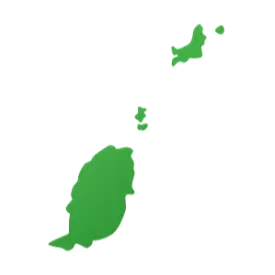
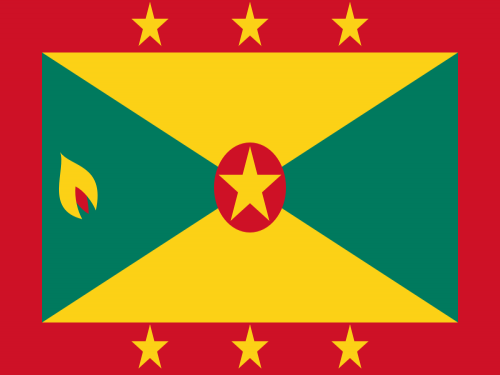
Discover Grenada
Currency
East Caribbean Dollar
Capital
Saint George's
Languages Spoken
English
Fun Foods
Oil Down, Nutmeg Ice Cream, Callaloo Soup, Roti, Lambie (Conch), Cocoa Tea
Off the coast of Grenada, 26 life-size children stand in a circle on the seafloor, holding hands. They’re concrete statues in the world’s first underwater sculpture park, which opened in 2006.
Over time, coral grows on the statues and turns them into a reef where fish can live.
Grenada is called the Island of Spice, and a nutmeg even appears on its flag. Long before spices, Indigenous peoples from South America lived here.
French settlers arrived in 1649 and fought them for control. In 1650, French soldiers chased about 40 Indigenous people to a cliff at the island’s northern tip.
Rather than be captured, they jumped. Today the spot is called Leapers’ Hill.
Britain took Grenada in 1763 and forced about 114,000 enslaved Africans to work its plantations.
In 1795, Julien Fédon led a rebellion against British rule, but it failed. Slavery ended in the 1830s.
Grenada became independent on February 7, 1974. In 1979, Maurice Bishop took power without firing a shot.
Four years later, members of his own government overthrew him, and he was executed.
Days later, on October 25, 1983, US troops and soldiers from nearby islands invaded and took control.
In 2004, Hurricane Ivan damaged about 90% of the island’s homes. Grenada rebuilt, but in 2024 Hurricane Beryl struck again, wrecking the smaller island of Carriacou.
Snorkel among the statues at Molinere Underwater Sculpture Park. Then dig your toes into Grand Anse, a beach 3 kilometers (2 miles) long.
Hike to Grand Etang, a lake that fills an old volcano’s crater.
For food, try oil down, the national dish, a hearty stew simmered in coconut milk until the liquid soaks in.
Sources: Wikipedia: Grenada, Wikipedia: Molinere Underwater Sculpture Park, and Wikipedia: Leapers’ Hill.
Experience Points


Points Available
| Sticker | 800 XP |
| Trading Card | 200 XP |
| Total | 1,000 XP |