
Kenya
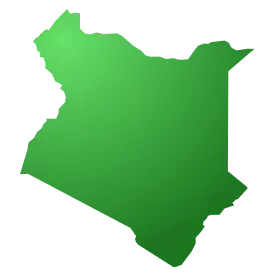
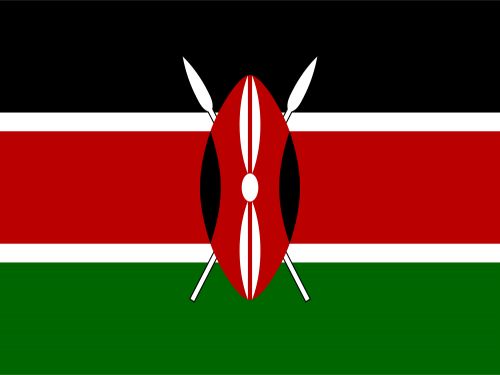
Discover Kenya
Currency
Kenyan Shilling
Capital
Nairobi
Languages Spoken
English and Swahili
Fun Foods
Chapati, Nyama Choma, Ugali, Sukuma Wiki, Pilau, Githeri, Mandazi
Every summer, about 1.5 million wildebeest, joined by hundreds of thousands of zebras, march north from Tanzania into Kenya’s Maasai Mara in search of fresh grass. Then they reach the Mara River, where crocodiles lie waiting in the water.
The herds crowd the riverbank, sometimes for days. Finally, one wildebeest leaps in, and thousands follow in a thundering, splashing rush.
Most make it across to the green plains on the other side, where lions, leopards, and cheetahs are watching too.
People have lived in Kenya for a very long time, including the Maasai, cattle herders famous for their red cloth and jumping dances. But in 1895, Britain took control, and British settlers took much of the best farmland for themselves.
In 1952, Kenyans fighting to get their land back and end British rule launched the Mau Mau uprising. The British cracked down hard.
They held around 150,000 Kenyans in harsh detention camps, and tens of thousands of Kenyans died.
The British also jailed a leader named Jomo Kenyatta, even though the case against him was weak. Kenya won its independence on December 12, 1963, and Kenyatta became its first leader.
Fifty years later, in 2013, Britain finally apologized and paid compensation to more than 5,000 Kenyans who had been mistreated in the camps.
Kenya is also home to a remarkable tree planter. In 1977, a scientist named Wangari Maathai planted seven trees in Nairobi.
That small act grew into the Green Belt Movement, in which Kenyan women planted more than 30 million trees.
Maathai was arrested many times for protesting against cutting down forests, but she never gave up. In 2004, she became the first African woman to win the Nobel Peace Prize.
For adventures, take a safari in the Maasai Mara from July to October to see the migration. At Amboseli National Park, herds of elephants stroll in front of snowy Mount Kilimanjaro, just across the border in Tanzania.
In Nairobi, the capital, climb a tall platform at the Giraffe Centre and hand-feed endangered Rothschild’s giraffes, who reach out with their long purple tongues.
For food, nearly every meal comes with ugali, a thick cornmeal dough you shape with your fingers to scoop up sukuma wiki, garlicky greens whose name means “push the week.” Try nyama choma, grilled meat, with soft chapati flatbread.
For a treat, grab mandazi, puffy fried doughnuts flavored with coconut and cardamom.
Sources: Britannica: Wangari Maathai, History Hit: How Did Kenya Gain Independence?, and Christian Science Monitor: Britain Issues Unprecedented Apology to Colonial-Era Kenyans.
Experience Points


Points Available
| Sticker | 1,000 XP |
| Trading Card | 250 XP |
| Total | 1,250 XP |