

Mongolia
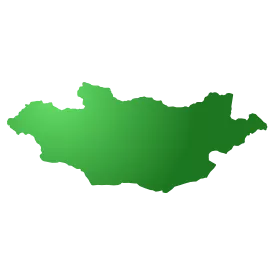
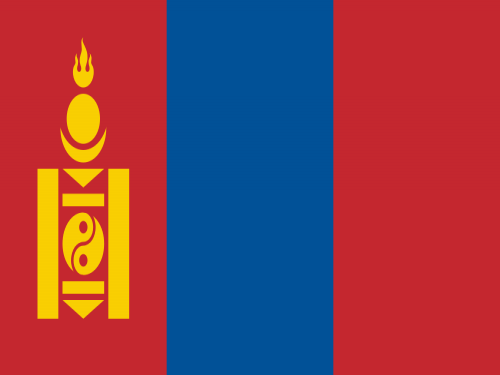
Discover Mongolia
Currency
Tögrög
Capital
Ulaanbaatar
Languages Spoken
Mongolian
In 1206, a man named Temüjin united dozens of warring nomadic tribes scattered across the grasslands of Central Asia. He took the title Genghis Khan and built the largest connected land empire in history. At its peak, the Mongol Empire covered about 24 million square kilometers, more than twice the size of the United States.
Genghis Khan was a brutal ruler who destroyed cities that refused to surrender. But he also created safe trade routes across Asia, allowed religious freedom, and built a horse-relay mail system where riders passed messages and goods from station to station across thousands of miles.
After Genghis Khan died in 1227, his descendants kept expanding. His grandson Kublai Khan conquered China and became its emperor, founding the Yuan Dynasty. By the 1300s, the empire had split apart and weakened.
Mongolia later fell under Chinese rule for more than 200 years before declaring independence in 1911. It then became a communist country under Soviet control from 1924 to 1990, a period when the government destroyed hundreds of Buddhist temples and killed thousands of monks.
Today about 30% of Mongolians still live as nomads, moving their families and animals with the seasons. You can sleep inside a ger, the round felt tent that nomadic families call home.
In the Gobi Desert, you can ride camels and look for dinosaur fossils, because Mongolia is one of the best places on Earth to find them.
Try tsuivan, a stir-fried noodle dish made with hand-cut noodles and meat. And if you're feeling brave, try airag, a traditional drink made from fermented mare's milk that's sour, a little fizzy, and unlike anything you've tasted before.
Experience Points

EARN UP TO
1,800 XP
in Mongolia — collect the sticker and the trading card.
Start your travel passportPoints Available
| Sticker | 1,500 XP |
| Trading Card | 300 XP |
| Total | 1,800 XP |