
Montenegro
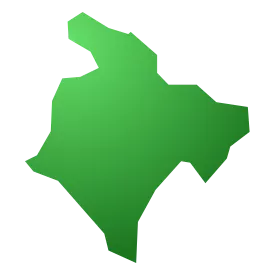
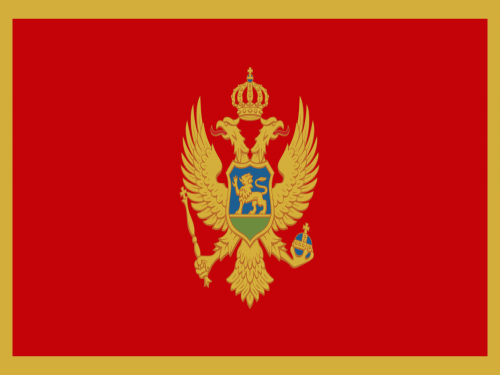
Discover Montenegro
Currency
Euro
Capital
Podgorica
Languages Spoken
Montenegrin
Montenegro's history can be traced back to the ancient Illyrians who inhabited the region. However, it was during the medieval period that Montenegro began to take shape as a distinct entity. The Serbs settled in the area, and by the 14th century, the state of Zeta emerged, which later became known as Crna Gora or Montenegro, meaning "Black Mountain."
Throughout the Middle Ages, Montenegro faced numerous challenges, including invasions by the Ottoman Empire. The Montenegrins fiercely resisted Ottoman rule, and their heroic struggles against the Ottomans became legendary. Montenegro maintained a semi-autonomous status known as "theocracy" under the leadership of the Serbian Orthodox Church and tribal chieftains.
In the 19th century, Montenegro's struggle for independence intensified. Under the leadership of figures like Prince-Bishop Petar II Petrović-Njegoš, Montenegro successfully secured its independence from the Ottoman Empire in 1878, recognized by the Treaty of Berlin.
The 20th century brought significant changes, with Montenegro becoming part of the Kingdom of Yugoslavia in 1918. During World War II, it was occupied by Axis forces but eventually liberated by Yugoslav Partisans. After the war, Montenegro was one of the six constituent republics of the Socialist Federal Republic of Yugoslavia.
In the 1990s, as Yugoslavia disintegrated, Montenegro remained in a union with Serbia, forming the Federal Republic of Yugoslavia. However, this union eventually dissolved in 2006 when Montenegro held a referendum on independence, leading to its recognition as an independent nation.
Source ChatPGT
Experience Points
EARN UP TO
1,250 XP
in Montenegro — collect the sticker and the trading card.
Start your travel passportPoints Available
| Sticker | 1,000 XP |
| Trading Card | 250 XP |
| Total | 1,250 XP |