

Saint Lucia
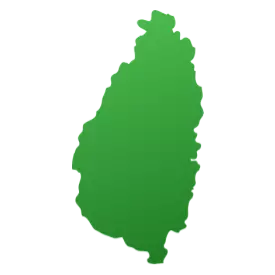
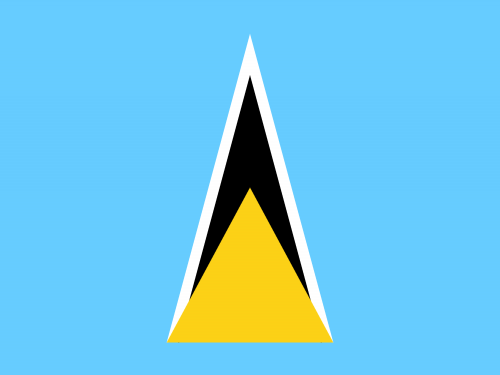
Discover Saint Lucia
Currency
East Caribbean Dollar
Capital
Castries
Languages Spoken
English, Patois
Long before the arrival of Europeans, the Arawak and Carib peoples inhabited the island. Their traditions and villages flourished, deeply intertwined with the island's lush landscapes.
In the late 15th century, Saint Lucia was sighted by European explorers, most notably the French. The island changed hands between the French and the British a staggering 14 times during the 17th and 18th centuries, resulting in a rich cultural tapestry.
Slavery played a significant role in the island's history, with sugar and cocoa plantations being the economic mainstays during the colonial period. The struggle for freedom and independence was waged relentlessly by enslaved and indigenous populations.
Saint Lucia finally gained independence from the British on February 22, 1979. The nation's history was marked by the influences of various colonizers, shaping its diverse culture, reflected in its Creole language and vibrant arts.
Today, Saint Lucia is celebrated for its stunning natural beauty, including the iconic twin peaks of the Pitons, and its vibrant Creole heritage.
Source ChatGPT
Experience Points


EARN UP TO
1,000 XP
in Saint Lucia — collect the sticker and the trading card.
Start your travel passportPoints Available
| Sticker | 800 XP |
| Trading Card | 200 XP |
| Total | 1,000 XP |