

São Tomé and Príncipe
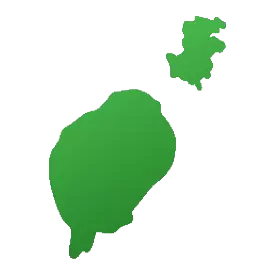
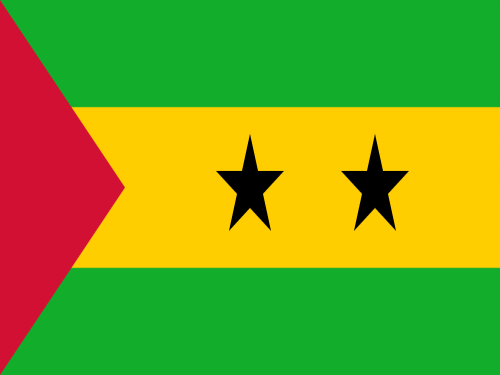
Discover São Tomé and Príncipe
Currency
Dobra
Capital
São Tomé
Languages Spoken
Portuguese
Fun Foods
Grilled Fish (Peixe), Banana Cozida, Calulu, Moqueca, Breadfruit, Tropical Fruit, São Tomé Chocolate
These two tiny islands off the coast of Africa were once the biggest producer of cocoa, the bean that chocolate is made from, in the entire world.
São Tomé and Príncipe are so famous for it that they're nicknamed the Chocolate Islands. But the story of how chocolate got here is a hard one.
When Portuguese sailors found these islands around 1470, no people lived on them at all. They were completely empty, covered in thick rainforest.
The Portuguese decided the rich volcanic soil was perfect for farming. To grow their crops, first sugar and later cocoa, they forced thousands of enslaved Africans to do the brutal work on huge plantations called roças.
By the early 1900s, the islands were the world's number one cocoa producer. But that success was built on the suffering of enslaved people.
Slavery was finally outlawed in the 1870s. Even then, Portugal kept bringing in workers from its other African colonies and forced them to labor on the plantations under terrible conditions.
The people of São Tomé and Príncipe pushed for their freedom, and in 1975 they won independence from Portugal peacefully, without a war. Today it's one of the smallest countries in all of Africa, with only about 200,000 people.
One of the coolest things you can do here is stand in two halves of the world at once. On a little island called Ilhéu das Rolas, the Equator, the imaginary line around the middle of the Earth, runs right across the land.
A monument marks the exact spot.
Rising out of the jungle nearby is Pico Cão Grande, a giant needle of rock that shoots more than 300 meters straight up. It's the hardened core of an old volcano, left behind after the softer rock around it wore away.
For food, the islands love fresh fish straight from the sea. The national dish is calulu, a slow-cooked stew of fish, leafy greens, and palm oil.
Cooked bananas show up at many meals. And for dessert, of course, there's rich chocolate made right here from island-grown cocoa.
Experience Points


XP EARNED OUT OF 0
Points Breakdown
| Sticker Collected | 0 XP |
| Card Collected | 0 XP |
| Bonuses | 0 XP |
| Total | 0 XP |
Your travel history
First Visit
---
Last Visit
---
You've logged 0 visits.