

Tajikistan
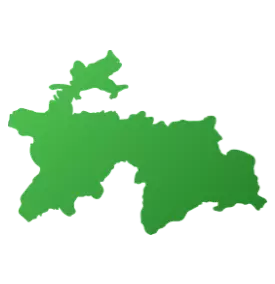
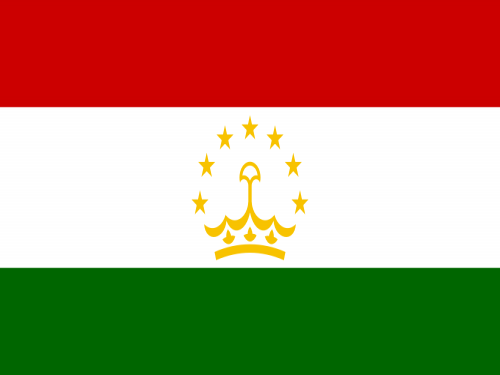
Discover Tajikistan
Currency
Tajikistani Somoni
Capital
Dushanbe
Languages Spoken
Tajiki
The region of present-day Tajikistan was home to ancient civilizations as early as the 4th millennium BCE. It was part of the Silk Road, connecting China to the Middle East, making it a crossroads of trade and cultural exchange.
In the 7th century CE, Arab armies introduced Islam to the region, and it became a prominent center of Islamic culture and scholarship. Over time, the region saw the rise and fall of various Persian and Turkic dynasties.
In the 19th century, Tajikistan came under the influence of the Russian Empire, which expanded into Central Asia. The Russians established control over the region and introduced administrative reforms, changing the course of Tajikistan's history. It remained part of the Russian Empire until the Russian Revolution of 1917.
After the revolution, Tajikistan experienced a period of instability and conflict as various factions vied for control. In 1924, it became the Tajik Autonomous Soviet Socialist Republic within the newly formed Soviet Union. During the Soviet era, the Tajik language was standardized, and the nation's infrastructure developed significantly.
In 1991, following the collapse of the Soviet Union, Tajikistan declared its independence. However, the early years of independence were marked by a brutal civil war that lasted until 1997, leaving the country deeply divided and its economy in shambles.
Since the end of the civil war, Tajikistan has worked to rebuild its nation and economy. The country remains predominantly Muslim, with a mix of Persian and Central Asian cultural influences. It faces challenges related to economic development, political stability, and issues related to human rights and press freedom.
Source ChatGPT
Experience Points


EARN UP TO
1,250 XP
in Tajikistan — collect the sticker and the trading card.
Start your travel passportPoints Available
| Sticker | 1,000 XP |
| Trading Card | 250 XP |
| Total | 1,250 XP |