

Trinidad and Tobago
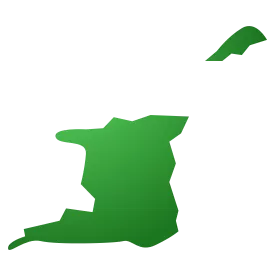
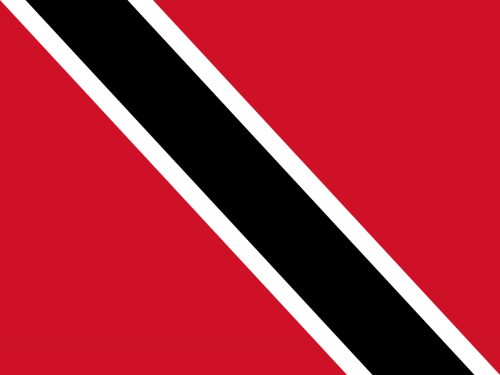
Discover Trinidad and Tobago
Currency
Trinidad and Tobago Dollar
Capital
Port of Spain
Languages Spoken
English
Fun Foods
Doubles, Bake and Shark, Roti, Pelau, Callaloo, Curry Crab and Dumplings, Cocoa Tea
In the 1930s and 1940s, kids and young musicians in Trinidad’s poorest neighborhoods found a new way to make music: banging on old oil drums.
They discovered that pounding dents into the drum’s metal top made different notes. That clever trick became the steelpan, often called the only acoustic instrument invented in the 20th century.
It grew out of a ban. British colonial rulers had outlawed traditional skin drums, so musicians switched to bamboo tubes, then biscuit tins, then the empty oil drums piling up around the island.
Today the steelpan is the national instrument. Huge steel bands with dozens of players battle for the title at Panorama, the steelpan contest held during Carnival.
Long before oil drums, the island’s first people, the Amerindians, called Trinidad Iere, “land of the hummingbird.”
In 1498, Christopher Columbus spotted three hills from his ship and named the island Trinidad, after the Holy Trinity. Tobago’s name comes from tobacco, which Amerindians grew there.
Spain ruled Trinidad but barely settled it. In 1783, it invited French Catholic planters to move in, and they brought enslaved Africans to work sugar and cocoa plantations.
Britain captured Trinidad in 1797, while little Tobago was fought over by Britain, France, the Netherlands, and even Courland, a tiny duchy in today’s Latvia.
Britain ended slavery in 1834. Then, starting in 1845, it brought workers called indentured laborers, mostly from India, to work the fields.
That’s why Trinidad today is a mix of African, Indian, European, and Chinese families, and why curry is everywhere.
Carnival grew from Canboulay, a harvest festival celebrated by freed Africans. When the British tried to shut it down in 1881, people rioted, and the celebration survived.
Trinidad and Tobago became independent on August 31, 1962, led by its first prime minister, Eric Williams. It became a republic in 1976.
In 1990, an armed group tried to overthrow the government, but the attempt failed.
For adventures, walk on Pitch Lake, the largest natural lake of asphalt on Earth, about 40 hectares (100 acres) of sticky black tar that’s been paving roads around the world.
At dusk, take a boat into the Caroni Swamp to watch thousands of scarlet ibises, the bright red national bird, fly in to roost.
From March to August, giant leatherback turtles crawl ashore to lay eggs at Matura Beach. And in February, dance through the streets at Carnival.
For food, start your morning with doubles, two soft fried flatbreads called bara stuffed with curried chickpeas. At Maracas Bay, try bake and shark, fried shark in fried bread piled high with sauces.
On Tobago, dig into curry crab and dumplings, a dish that mixes Indian curry, local crab, and African-style dumplings.
Sources: National Geographic: Hear the Song of Trinidad, CARICOM: Trinidad and Tobago Country Profile, and Visit Trinidad: Taste Our Culture.
Experience Points


EARN UP TO
1,250 XP
Collect the sticker and the trading card in Trinidad and Tobago.
Start your travel passportPoints Available
| Sticker | 1,000 XP |
| Trading Card | 250 XP |
| Total | 1,250 XP |