
Alyscamps France
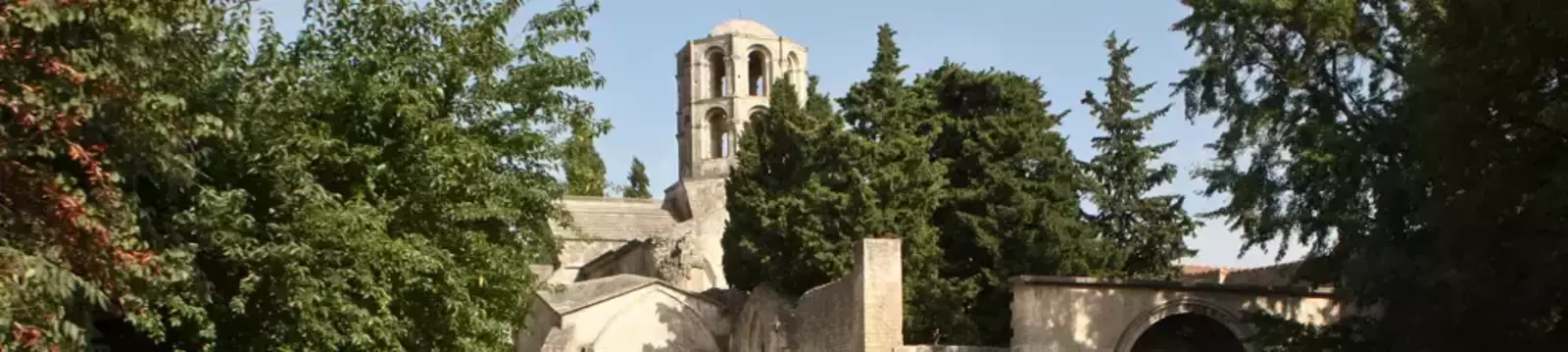

An ancient Roman cemetery established in the 4th century AD.
Photo by Shadowgate
In October 1888, two of the most famous painters in history set up their easels in a cemetery in the south of France and painted the same scene from different angles. Vincent van Gogh and Paul Gauguin chose the Alyscamps in Arles as the first place they would paint side by side. It was one of the few peaceful moments in their famously stormy friendship.
The Alyscamps has been receiving the dead since the 1st century AD. Its name comes from the Latin Elisii Campi, meaning "Elysian Fields," the paradise from Greek and Roman mythology where heroes went after they died. Roman law banned burials inside city walls, so the road leading into Arles became lined with the stone coffins and monuments of its wealthiest citizens.
When Christianity arrived in the 4th century, the site became even more famous. Saint Trophimus, believed to be the first bishop of Arles, was buried here. Pilgrims traveled from all over Europe just to visit his tomb. Medieval legend claimed that Christ himself attended the burial and left the imprint of his knee on a stone coffin lid.
The demand to be buried here grew so intense that families across Europe shipped their loved ones down the Rhône River by boat to reach Arles. At its peak, 19 churches and chapels stood across the site. Two remain today.
The Renaissance nearly destroyed it. City leaders gave ancient stone coffins away as gifts to important visitors. Locals carted off funerary stones to use as building materials. A railway and canal sliced through the grounds in the 19th century. What remains is a fraction of what once existed, but it's still a remarkable walk through nearly 2,000 years of history.
Stroll the poplar-lined path past the stone coffins to the Church of Saint Honorat at the far end. The best surviving sarcophagi are inside the Musée de l'Arles Antique nearby, one of the finest collections of Roman stone coffins anywhere outside Rome.

EARN UP TO
1,050 XP
at Alyscamps — collect the stamp, answer the trivia and finish the quests.
Start your travel passportPoints Available
| Stamp | 600 XP |
| Trivia Questions | 300 XP |
| Trading Card | 150 XP |
| Total | 1,050 XP |
Login to customize your picture from the Alyscamps.

Exploring France