

Arena of Nîmes France
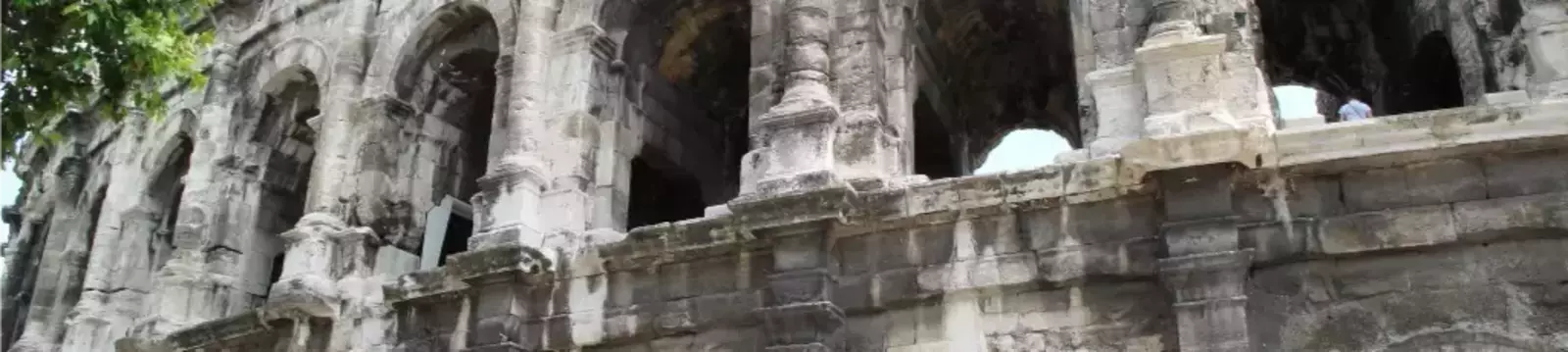

A well-preserved Roman amphitheater dating back to AD 70.
Photo by Todd
The sand on the arena floor was not decorative. It was there to soak up the blood. The Latin word for sand is arena, and it gave its name to every amphitheatre like this one — places built for one purpose above all others: gladiatorial combat.
Built around 100 AD, the Arena of Nîmes is one of the best-preserved Roman amphitheatres in the world. It sits in the heart of southern France, in a city the Romans called Nemausus, and it has been in near-continuous use for nearly 2,000 years.
The numbers are still staggering. The arena is 133 meters long and 101 meters wide, with two full stories of 60 arches each wrapping around the exterior. In Roman times it held 24,000 spectators, seated across 34 tiers and divided by social class. The closer you sat to the arena floor, the higher your status.
Getting 24,000 people in and out quickly was an engineering problem the Romans solved brilliantly. The arena had 126 staircases and a system of vaulted corridors that funneled crowds to their sections without crossing paths. The openings into the seating areas were called vomitoria.
The shows ran all day. Gladiators fought each other and wild animals — lions, bears, even elephants brought from across the empire. Condemned criminals were sometimes thrown to the beasts. A large awning called a velarium, supported by stone blocks still visible at the top of the facade, provided shade for the crowd.
When Rome fell, the arena didn't empty — it filled up. The Visigoths turned it into a fortress. By the 12th century nearly 150 houses, two churches, and a castle had been built inside its walls. Over 700 people lived there. It took until the early 19th century to clear them out and begin restoring what was underneath.
Today the arena hosts bullfights twice a year during the Feria de Nîmes, concerts, and historical reenactments. Walk the corridors, climb to the upper tiers, and look down at the same oval of sand where gladiators once made their entrance to the roar of 24,000 voices.


XP EARNED OUT OF 0
Points Earned
| Stamp | 0 XP |
| Trivia Questions | 0 XP |
| Quests | 0 XP |
| Trading Card | 0 XP |
| Total | 0 XP |
Login to customize your picture from the Arena of Nîmes.

Exploring France