

Fort Pillow State Historic Park United States
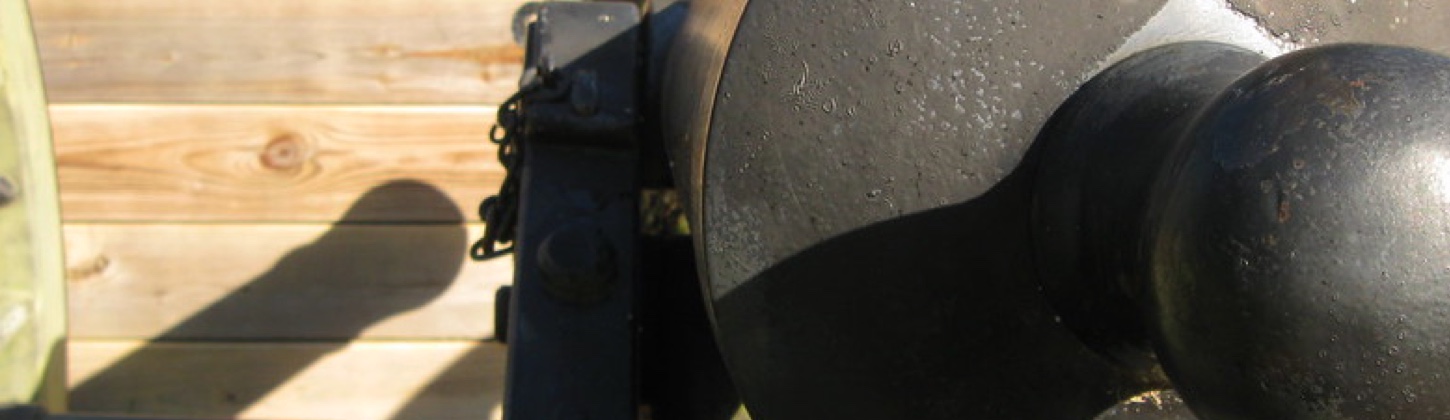

The historic site of the Battle of Fort Pillow and massacre of surrendering African-American troops.
Photo by Guillaume Capron
About half the soldiers defending this fort had been enslaved a short time earlier. By April 1864 they were United States soldiers, in uniform, holding the fort against attack.
That fact sits at the center of what happened here.
The Confederacy built the fort in 1861 on a high bluff above the Mississippi River, about 40 miles north of Memphis. They named it for a Tennessee general, Gideon Johnson Pillow.
Its job was to stop Union boats from reaching Memphis. But when Union forces captured the river defenses upstream, holding Fort Pillow became impossible.
Confederate troops abandoned it in June 1862. Union soldiers moved in, and Memphis fell to the Union soldiers days later.
Two years later, Confederate General Nathan Bedford Forrest led a raid through western Tennessee. On April 12, 1864, he surrounded Fort Pillow with somewhere between 1,500 and 2,500 men.
Inside were about 600 Union soldiers. Roughly half were Black troops serving in the United States Colored Troops. The rest were white Tennesseans who had stayed loyal to the Union.
The fort's commander, Major Lionel Booth, was killed early in the fighting. Major William Bradford took over and refused Forrest's demand to surrender.
Confederate troops stormed the fort that afternoon. What happened next is why this battle is usually called a massacre.
Many Union soldiers tried to surrender and were killed anyway. The Black soldiers died at roughly twice the rate of the white soldiers beside them.
News of the killings spread quickly across the country. "Remember Fort Pillow" became a battle cry for Black regiments for the rest of the war.
The Union government stopped exchanging prisoners with the Confederacy in response. Major Booth's widow, Elizabeth, campaigned for the families of the Black soldiers, and a law giving their widows equal pensions passed that July.
Walk the preserved earth walls, still visible on the bluff after more than 160 years. Visit the museum to see artifacts and read the soldiers' own accounts of that day. Follow the trails down toward the Mississippi River, where much of the fighting ended.


EARN UP TO
900 XP
at Fort Pillow State Historic Park — collect the stamp, answer the trivia and finish the quests.
Start your travel passportPoints Available
| Stamp | 450 XP |
| Trivia Questions | 300 XP |
| Trading Card | 150 XP |
| Total | 900 XP |
Login to customize your picture from Fort Pillow State Historic Park.

Exploring Tennessee