
Kuélap Peru
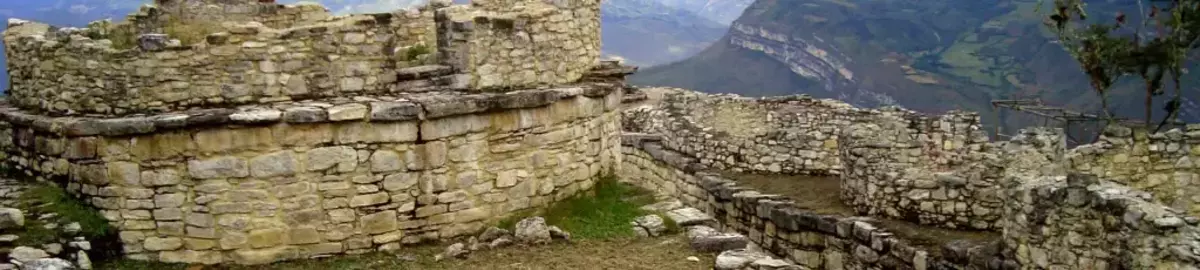
A pre-Inca fortress older than Machu Picchu, hidden in cloud forest until 1843.
Photo by Graham Styles
Kuelap is roughly 900 years older than Machu Picchu. While the Inca citadel gets all the postcards, this fortress in Peru's northern highlands was already ancient when the Inca Empire rose to power. The Chachapoya people, known as the "Cloud Warriors," began construction in the 6th century AD and kept building for hundreds of years.
The Chachapoya chose a limestone ridge 3,000 meters above sea level in the Amazonas region. The walls rise up to 20 meters, and the entire complex stretches across six hectares.
Inside stood about 420 circular houses decorated with carved zigzag and rhomboid patterns. Three entrances pierce the walls, each so narrow that attackers would have to enter single file.
The Inca conquered the Chachapoya around 1470 and absorbed their territory. After the Spanish arrived in the 1530s, the fortress was abandoned. Jungle swallowed it whole.
It stayed hidden until 1843, when a judge named Juan Crisóstomo Nieto found it during a trip through the mountains. Archaeologist Federico Kauffmann Doig later spent years documenting the site and piecing together the story of the Cloud Warriors.
Several structures stand out. El Tintero, shaped like an inverted cone, rises 5.5 meters and may have been used for ceremonies or tracking the sun. The Torreón, a seven-meter watchtower at the north end, gave defenders a clear view of anyone approaching through the valley below.
Many houses still show their original stone friezes, geometric patterns unique to Chachapoya builders.
A cable car opened in 2017 carries visitors across the Utcubamba Valley in about 20 minutes. Once you arrive, walk through the fortress's tight stone corridors. Run your hand along walls carved with repeating rhomboid shapes.
Spot hummingbirds darting between orchids that cling to the ruins. The cloud forest presses in from every side, and on clear mornings, the green peaks of the Andes roll out beneath you.


EARN UP TO
1,550 XP
at Kuélap — collect the stamp, answer the trivia and finish the quests.
Start your travel passportPoints Available
| Stamp | 1,000 XP |
| Trivia Questions | 300 XP |
| Trading Card | 250 XP |
| Total | 1,550 XP |
Login to customize your picture from Kuélap.

Exploring Peru