Pegasus Bridge France
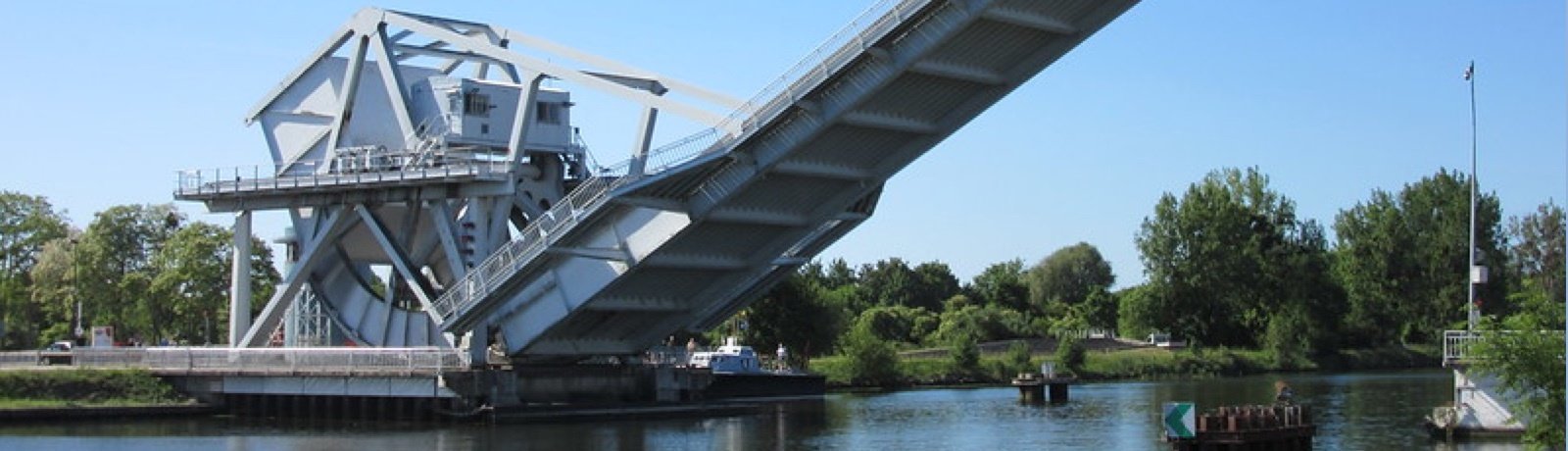

Learn about the surprise attack to take the bridge and prevent German amour from reinforcing troops during the D-Day attack.
Photo by Etienne Baudon
The first shots of D-Day were fired here, in the dark, sixteen minutes after midnight. Six hours later, the beach landings began.
Six gliders had crossed the English Channel that night without engines, towed by bombers and then cut loose to drift silently down. The pilots navigated with a stopwatch, a compass, and a flashlight strapped to one finger.
The first glider landed within 47 yards of the bridge, its nose buried in the barbed wire. Historians have called it the most precise flying of the entire war.
The bridge crossed the Caen Canal at a village called Bénouville in Normandy, France. People just called it Bénouville Bridge.
It mattered because of what was about to happen. British and Canadian troops would land on Sword Beach a few miles north, and if German tanks crossed this bridge and a second one nearby, they could hit those beaches from the side.
The bridges had to be captured before the Germans could blow them up. The job went to Major John Howard and 181 men of the British 6th Airborne Division.
They practiced for months on two matching bridges in England, landing gliders at night with the windows painted over. The mission was called Operation Deadstick.
On the night of June 5, 1944, they took off from Dorset. Just after midnight on June 6, they landed, and within ten minutes both bridges were theirs.
Howard radioed the code words "Ham and Jam" to signal success. Then his men held on against German counterattacks until reinforcements arrived that afternoon, marching in behind a bagpiper.
A café beside the bridge became the first house liberated in France. The owner dug up 98 bottles of champagne he'd hidden from the Germans and handed them out to the soldiers.
The bridge was renamed Pegasus, after the flying horse on the shoulder patches of British airborne troops. Their pilots' gliders were called Horsas, so the second bridge became Horsa Bridge.
Walk across the modern bridge, then look for the stone markers showing exactly where each of the three gliders touched down. Stop at Café Gondrée, still run by the family who owned it in 1944. Visit the Pegasus Memorial Museum next door to see the original bridge, moved there in 1994, along with a full-size Horsa glider.

EARN UP TO
500 XP
at Pegasus Bridge — collect the stamp, answer the trivia and finish the quests.
Start your travel passportPoints Available
| Stamp | 150 XP |
| Trivia Questions | 300 XP |
| Trading Card | 50 XP |
| Total | 500 XP |
Login to customize your picture from Pegasus Bridge.
Exploring France