
Pella Jordan
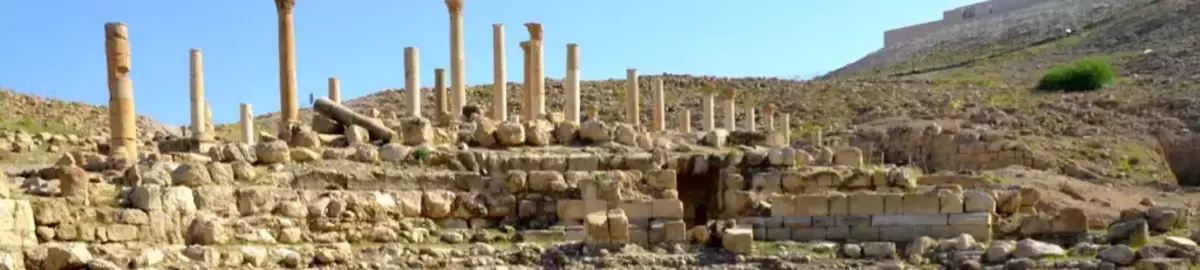
A Decapolis city with 6,000 years of history, from Canaanite temples to early Christian refugees.
Photo by Carole Raddato
In 2010, archaeologists digging at Pella uncovered a fortified city wall dating to 3400 BC. That makes this hilltop settlement in Jordan's northern valley as old as the first cities of ancient Sumer. People have lived here continuously for over 6,000 years.
The site started as a Bronze Age trading hub, mentioned in Egyptian texts as early as 1800 BC. The pharaohs considered it important enough to list among their enemies. Six temples were built on top of each other here over the centuries, the oldest dating to around 1900 BC. A Canaanite temple dedicated to the god Baal rose here in 1270 BC.
When Alexander the Great's veterans settled the region, they renamed the city Pella after Alexander's birthplace in Macedonia. Under Roman rule, Pella joined the Decapolis, a league of ten prosperous Greek-speaking cities that controlled trade routes across the region.
But Pella's most famous chapter came in 70 AD. According to the church historian Eusebius, early Christians in Jerusalem received a warning to flee before the Romans destroyed the city. They crossed the Jordan River and took refuge here in Pella, making it home to one of Christianity's earliest communities. Archaeologists have found the remains of Byzantine churches that grew from those roots.
The city changed hands again in 635 AD when Muslim forces defeated the Byzantines at the Battle of Fahl, fought just below the ruins. Pella thrived under Islamic rule for another century until a massive earthquake flattened the city in 749 AD. Most residents never returned.
The University of Sydney has been excavating here since 1979, and only a fraction of the site has been uncovered. Wander through the exposed Bronze Age temple foundations and the columns of Byzantine basilicas. Climb the main tell for views across the Jordan Valley toward the Sea of Galilee. Stop at the rest house for lunch overlooking the ruins.
If you visit in spring, the hillsides explode with wildflowers, making the scattered stones feel like a garden. Look for the small mosque at the base of the hill, marking where a companion of the Prophet Muhammad fell in battle nearly 1,400 years ago.


EARN UP TO
1,300 XP
at Pella — collect the stamp, answer the trivia and finish the quests.
Start your travel passportPoints Available
| Stamp | 800 XP |
| Trivia Questions | 300 XP |
| Trading Card | 200 XP |
| Total | 1,300 XP |
Login to customize your picture from Pella.

Exploring Jordan