

Stonehenge United Kingdom
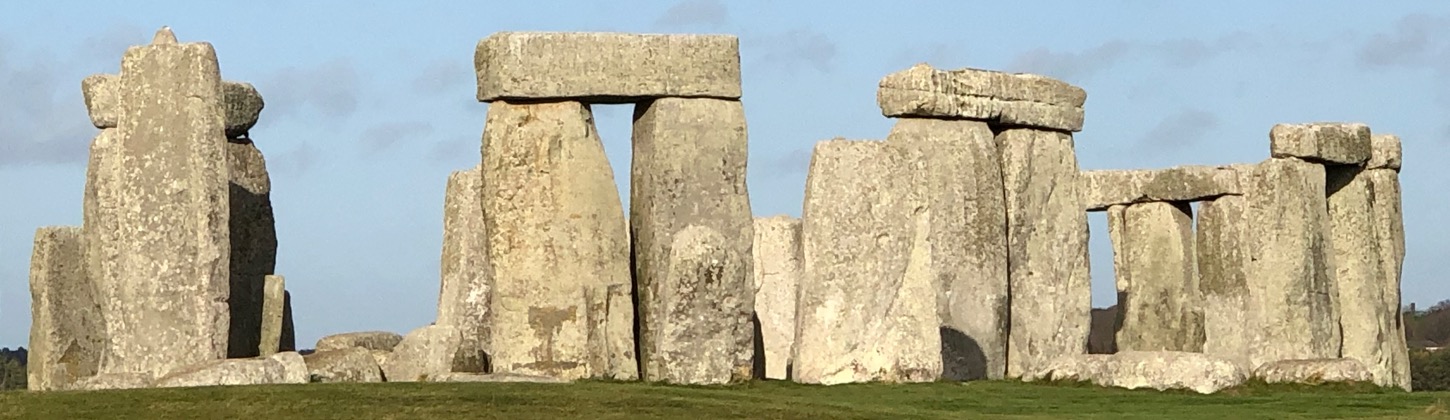
A Neolithic monument featuring a ring of 25 ton standing stones.
Kid Rating:

Stonehenge is a Neolithic monument located in Wiltshire, England. It is made up of a ring of standing stones, each around 13 feet high and 7 feet wide. The stones weigh more than 25 tons. Stonehenge is one of many features of this area. There are several burial mounds surrounding the site. Similar to other prehistoric monuments of the Neolithic and Bronze Age, there are many questions and quite a bit of mystery surrounding the structure.
Archeologists differ on when they believe the structure was built, some dating as far back as 3100 BC. Researchers also differ as to what Stonehenge was used for, some believing it was used as a burial ground, a place of healing, an astronomical observatory, a religious site, and even a mortuary for those who would later be buried in the area. More mystery surrounds how these prehistoric cultures would have had the technology and ability to move the massive bluestones that make up the structure. These stones would have been moved from a quarry several miles away and then lifted into place without the help of wheels and pulley systems that had not been invented yet.
Stonehenge is deeply rooted into English history and culture. In the 12th century, author Geoffrey of Monmouth included it in his The History of the Kings of Britain, a fanciful tale in which the wizard Merlin builds Stonehenge. J.M.W. Turner, one of the most famous landscape artists of the Romantic period, depicted Stonehenge in his paintings, helping to make the sight more popular. Today, more than 1.3 million people visit the site each year.
Questions about Stonehenge
What is Stonehenge?
Stonehenge is a prehistoric monument near Amesbury in Wiltshire, England. The first monument was a circular earthwork built in about 3000 BC, and the stone circle went up in about 2500 BC. The big sarsen stones most likely came from West Woods near Marlborough, about 32 km away, and the smaller bluestones from the Preseli Hills in Wales, more than 250 km away. In 1986, together with Avebury, it became one of the first UNESCO World Heritage Sites in the UK.
Can you touch the stones at Stonehenge?
Not on a normal visit. During opening hours you stay on the visitor path, which comes within about 5 meters of the stones. To go inside the circle, book a Stone Circle Experience: one-hour visits in the early morning or evening for up to 52 people, from £70 for adults and £40 for ages 5 to 17, with under-5s free. Even then you can't touch or stand on the stones. Kids can touch the two "touching stones" outside the exhibition, near the Neolithic houses.
How do you get to Stonehenge from London?
Take a direct train from London Waterloo to Salisbury, which takes about 1.5 hours. Salisbury station is 19 km from Stonehenge, and from there you can take a direct bus or a taxi. The Stonehenge Tour, a hop-on hop-off bus run by Salisbury Reds, picks up at the station and in the city center, and its all-in-one ticket includes entry to Stonehenge. If you drive, parking costs £4 for non-members.
How long does a visit to Stonehenge take?
English Heritage doesn't set a time, and tickets are valid all day, so you can stay as long as you like within opening hours. Getting to the stones takes 5 to 10 minutes on the shuttle, which runs every few minutes from the visitor center and needs no booking. Walking takes 25 to 40 minutes, about 2 km each way, and the shuttle also stops halfway at Fargo Plantation if you'd like to walk part of the way. Leave time for the stone circle path, the Neolithic houses and the exhibition. Book online by midnight the day before to save up to 15%.
What happens at Stonehenge on the solstice?
On the summer solstice the sun rises behind the Heel Stone, and its first rays shine into the heart of the circle. On the winter solstice the sun sets to the southwest. For the winter solstice on Tuesday, December 22, 2026, English Heritage offers free access to Stonehenge. Drivers must pre-book parking, which costs £16 per car, and the car park opens at 5:15 AM for a sunrise at about 8:09 AM. Visitors must not touch or climb on the stones.
Visiting rules, shuttle details, parking charges and solstice arrangements last checked November 2026. Solstice access and Stone Circle Experience times change, so check the English Heritage Stonehenge page before you go.


EARN UP TO
2,000 XP
Collect the stamp, answer the trivia and finish the quests at Stonehenge.
Start your travel passportPoints Available
| Stamp | 1,200 XP |
| Trivia Questions | 300 XP |
| Quests | 100 XP |
| Trading Card | 400 XP |
| Total | 2,000 XP |
Become Legendary
Complete these quests to earn your legendary status.

Step inside a Neolithic house and find the beds, seats and shelves.
Spot the smaller bluestones among the giant sarsens. They came all the way from Wales.
Touch the touching stones near the Neolithic houses and guess how heavy a giant sarsen is.
Find the Heel Stone outside the circle. On the summer solstice, the sun rises right behind it.
Stonehenge Fun Facts for Kids
- From Scotland. The 6-metric-ton Altar Stone came from northeast Scotland, at least 700 km away.
- Welsh bluestones. The smaller bluestones came from the Preseli Hills in Wales, more than 250 km away.
- Heavy hitter. The Heel Stone, the biggest stone, weighs about 30 metric tons.
- Sunrise lineup. On the summer solstice, the sun rises right behind the Heel Stone.
Parental Note
Book online by midnight the day before to save up to 15%. Take the shuttle to the stones, or walk 25 to 40 minutes each way. You can't touch the circle stones, so let kids touch the two touching stones near the Neolithic houses, where volunteers show jobs like grinding grain and making rope.
Login to customize your picture from Stonehenge.

Exploring United Kingdom