

Vindolanda United Kingdom
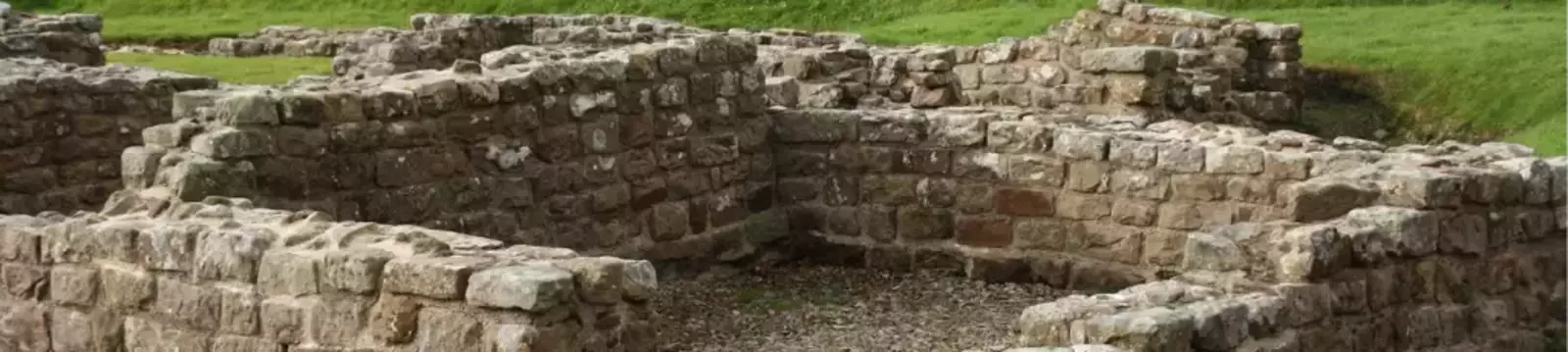

A Roman fort where ancient wooden tablets detailing the everyday lives of its people were discovered.
Photo by Robert Drummond
Nearly 1,900 years in the past, a woman called Claudia Severa sent her closest friend an invitation to a birthday celebration. She asked her to join her on September 11, and at the bottom she added a brief message in her own hand: "I shall expect you, sister."
The invitation has endured. It is among the oldest surviving examples of writing by a woman in Latin.
It was uncovered at Vindolanda, a Roman fort in what is now Northumberland, in northern England. The Romans originally constructed it of timber around AD 85.
At that period, this location marked the empire’s far northern boundary. The troops based there defended the frontier and monitored the roads.
Over time, the fort was rebuilt repeatedly, first with wood and later with stone. Romans occupied it for almost 300 years, until about AD 370.
Then, in AD 122, Emperor Hadrian started work on his celebrated wall only a short distance to the north. By that point, Vindolanda was already nearly 40 years old.
For many years, the details of everyday soldier life at the site remained unknown. Then, in March 1973, archaeologist Robin Birley was excavating a ditch there.
He came across several thin, oily fragments of wood that had become stuck together. Looking more closely, he noticed faint ink markings.
They were letters. On thin wooden sheets about the size of a postcard, the Romans had written, and the damp, oxygen-poor soil had preserved them from decay.
These objects are the Vindolanda Tablets. More than 1,700 have now been recovered, making them the oldest handwritten records ever found in Britain.
They provide a picture of ordinary life on the frontier. The first one deciphered referred to a package sent to a soldier that contained socks, sandals, and two pairs of underpants.
Among the other tablets are shopping lists, reports, complaints, and invitations to parties. Taken together, they indicate that people at the empire’s edge worried about many of the same things we do.
Tablets continue to emerge. Robin Birley’s son Andrew now directs the excavation, and each summer new examples are discovered during digs.
You can walk among the stone ruins of the fort and the settlement where families and traders lived beyond its walls. At the museum, you can view shoes, clothing, and other daily items preserved by the wet ground. After that, go to the British Museum in London, where the birthday invitation and many other tablets are exhibited.
Sources: British Museum, Wikipedia (Vindolanda), and National Geographic.


EARN UP TO
1,100 XP
at Vindolanda — collect the stamp, answer the trivia and finish the quests.
Start your travel passportPoints Available
| Stamp | 600 XP |
| Trivia Questions | 300 XP |
| Trading Card | 200 XP |
| Total | 1,100 XP |
Login to customize your picture from Vindolanda.

Exploring United Kingdom