
Wind Cave National Park United States
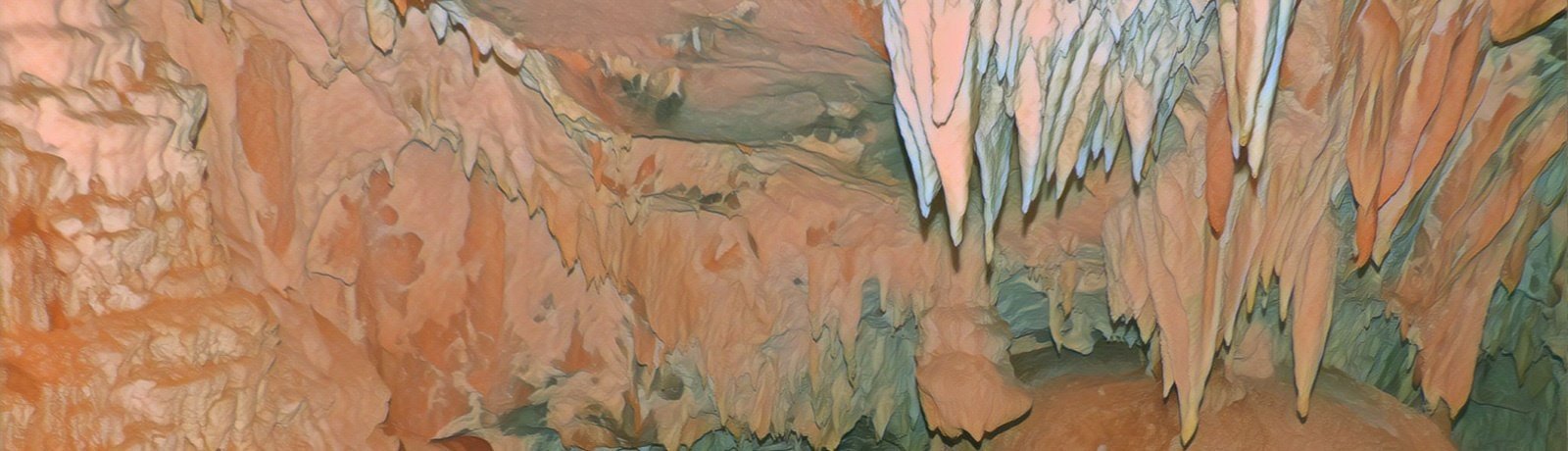
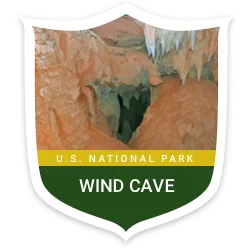
Known for its calcite formations called boxwork, it's the first cave in the world to be designated a national park.
Photo by Bernard DUPONT
Kid Rating:
In 1881, two brothers named Tom and Jesse Bingham were riding through the hills of South Dakota when they heard a strange whistling sound. They followed it to a small hole in the ground, only about 10 inches wide.
When Tom leaned over to look in, a gust of wind rushed out of the hole and blew his hat right off his head.
A few days later, Jesse brought friends back to see it. This time the wind had switched directions, and his hat got sucked into the hole instead.
The cave breathes. When the air pressure outside changes, air rushes in or out of the cave's openings to even things out.
The Lakota people knew about this place long before the Binghams. To them it's sacred, the spot where their story says the first people came up from beneath the earth.
The first person known to squeeze inside was Charlie Crary, in the fall of 1881. He carried candles and unwound a string behind him so he could find his way back out.
In 1890, a 16-year-old named Alvin McDonald started exploring. He crawled through the dark by candlelight, mapped passages no one had ever seen, and kept a diary of everything he found.
On the walls and ceilings, he saw strange thin fins of rock crossing each other like the cells of a honeycomb. They're made of a mineral called calcite, and they're called boxwork.
Boxwork is incredibly rare. Wind Cave holds almost all of the boxwork ever found anywhere in the world.
On January 9, 1903, President Theodore Roosevelt signed the law making Wind Cave a national park. It was the first national park anywhere created to protect a cave.
The cave is a twisting maze of tunnels stacked on top of each other. Explorers have mapped more than 160 miles so far, and scientists think that's only a small part of the whole thing.
Above ground, the park protects something rare too: a large stretch of the native grassland prairie that once covered the Great Plains. Bison, elk, and pronghorn were brought back here starting in 1911, and herds roam the park today.
Join a ranger-led tour into the cave to see the boxwork up close, and bring a jacket since it stays cool underground all year. Stop at the cave's natural entrance and feel the wind blowing in or out. Then drive the park roads at dusk to watch bison grazing on the prairie and prairie dogs popping out of their burrows.
Sources: National Park Service, National Parks Traveler, and Black Hills Visitor.


EARN UP TO
1,100 XP
Collect the stamp, answer the trivia and finish the quests at Wind Cave National Park.
Start your travel passportPoints Available
| Stamp | 600 XP |
| Trivia Questions | 300 XP |
| Trading Card | 200 XP |
| Total | 1,100 XP |
Login to customize your picture from Wind Cave National Park.

Exploring South Dakota