

African Burial Ground National Monument United States
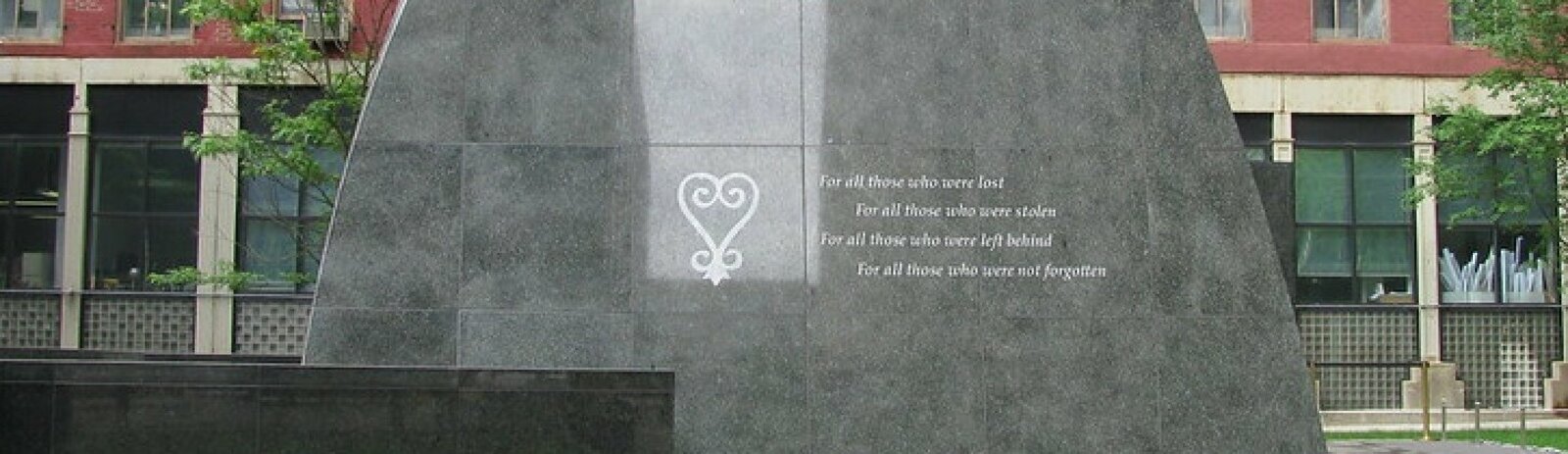

A historic monument to the over 400 Africans buried nearby in the 17th century.
Photo by NatalieMaynor
In 1991, construction workers digging the foundation for a federal office building in lower Manhattan hit something unexpected: human bones. Excavations uncovered the remains of more than 400 enslaved and free African people, buried in a cemetery that dated back to the 1690s. The city had built itself right on top of them, and almost nobody knew they were there.
The Dutch West India Company brought the first enslaved Africans to the area in 1626, when the settlement was still called New Amsterdam. Slavery funded much of the colony's early growth, with enslaved people clearing land, building fortifications, and constructing the roads that still form the backbone of lower Manhattan today.
In 1664, England seized New Amsterdam without a fight and renamed it New York. Slavery continued and expanded under British rule. By the early 1700s, New York City had one of the largest urban enslaved populations in colonial North America.
The burial ground operated from the 1690s until 1794, when the city closed it and built over it. For nearly 200 years it sat forgotten beneath streets and buildings, until that construction crew broke through the concrete in 1991.
The monument sits at the corner of Duane and Elk Streets in lower Manhattan. The visitor center inside the federal building tells the full story with artifacts recovered from the site, including burial goods that show strong West African spiritual traditions survived the Middle Passage.
Outside, a granite memorial marks where the remains were reinterred in 2003, returned to the ground with ceremonies led by African and African American community leaders.


EARN UP TO
950 XP
at African Burial Ground National Monument — collect the stamp, answer the trivia and finish the quests.
Start your travel passportPoints Available
| Stamp | 400 XP |
| Trivia Questions | 300 XP |
| Quests | 50 XP |
| Trading Card | 200 XP |
| Total | 950 XP |
Become Legendary
Complete these quests to earn your legendary status.

Visit the memorial dedicated to those whose graves were discovered in this area.
Tour the museum to learn about the history of slavery in New York and its impact on the city.
Login to customize your picture from the African Burial Ground National Monument.

Exploring New York City

New York City
Founded in 1624, it's one of the busiest cities in the world with over 8 million people.
Visit New York City
