

Chand Baori India
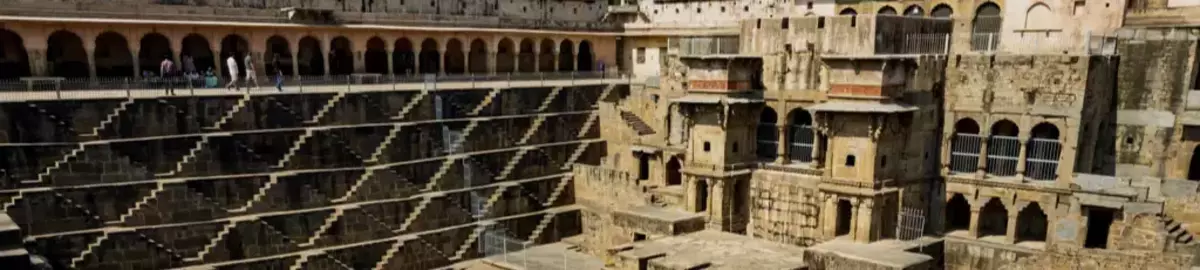

A 9th-century stepwell with 3,500 steps descending 13 stories in a mesmerizing geometric pattern.
Photo by Mustang Joe
Stand at the edge of Chand Baori and look down. Your eyes will struggle to make sense of what they're seeing: 3,500 steps plunging 13 stories into the earth, arranged in a perfect geometric pattern that looks more like an optical illusion than a building.
This is one of the deepest and largest stepwells in the world, hidden in the small village of Abhaneri in Rajasthan. King Chanda of the Nikumbha Dynasty built it in the 9th century to solve a brutal problem: water scarcity in one of India's driest regions.
The design is ingenious. Three sides of the square well feature identical zigzagging staircases that allowed villagers to reach the water no matter how low it dropped during drought. The fourth side holds a multi-story pavilion where royals would rest in carved alcoves called jharokhas, taking advantage of another engineering trick.
The temperature at the bottom of Chand Baori runs 5 to 6 degrees Celsius cooler than the scorching surface above. In a land where summer temperatures regularly hit 45°C, this underground refuge became the village's natural air conditioning. Locals gathered here to escape the heat, socialize, and collect water for their homes.
Next door stands the Harshat Mata Temple, dedicated to the goddess of joy and happiness. Pilgrims traveling to worship would stop at the stepwell to drink and cool down before climbing the temple steps.
The temple suffered damage during invasions by Mahmud of Ghazni, and the Mughals later destroyed many of the well's interior sculptures. But the structure itself survived.
The upper galleries you see today were added in the 18th century during Mughal rule, blending Islamic arches with the original Hindu architecture. Hollywood discovered the site too. The 2006 film The Fall filmed scenes here, and the production designers of The Dark Knight Rises used Chand Baori as inspiration for Bruce Wayne's prison escape.
You can't walk down the steps anymore, but viewing platforms let you take in the full hypnotic pattern. Visit early morning when the angled sunlight creates dramatic shadows across the stairs.
Check out the sculptures of Ganesha and Durga Mahishasuramardini in the niches of the northern wall. Then explore the ruins of Harshat Mata Temple next door, where carved stones and columns lie scattered like puzzle pieces waiting to be reassembled.


EARN UP TO
1,300 XP
at Chand Baori — collect the stamp, answer the trivia and finish the quests.
Start your travel passportPoints Available
| Stamp | 800 XP |
| Trivia Questions | 300 XP |
| Trading Card | 200 XP |
| Total | 1,300 XP |
Login to customize your picture from Chand Baori.

Exploring India