
Channel Islands National Park United States
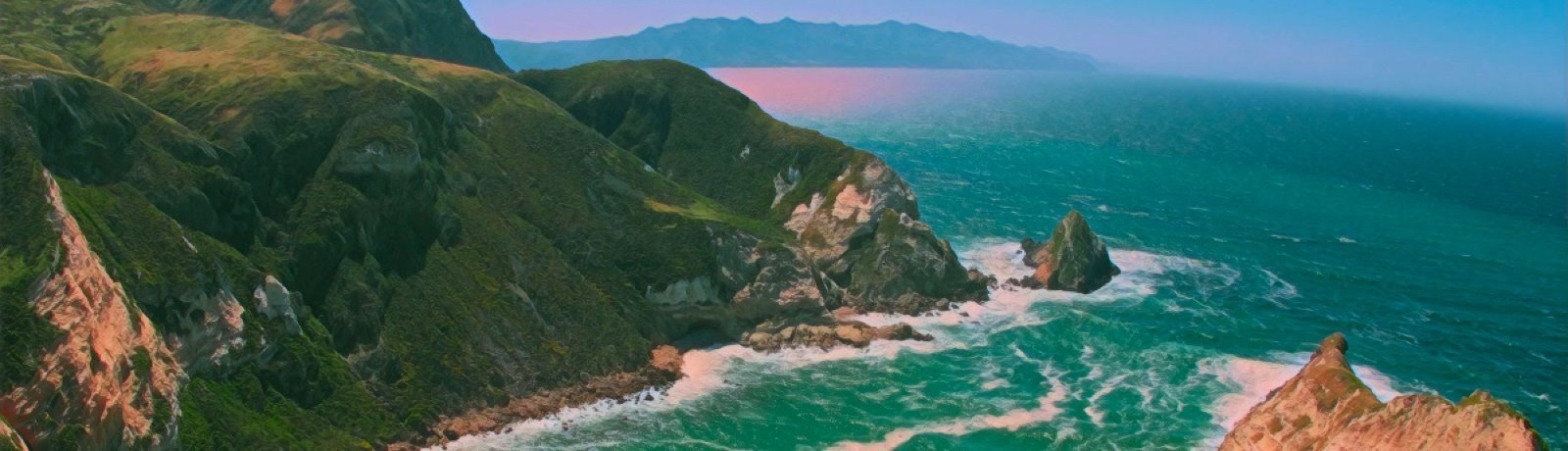
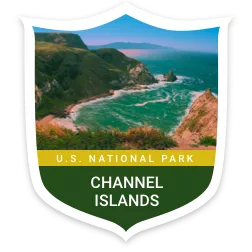
A series of islands off the coast of California with human activity dating back to over 37,000 years ago.
Photo by David Fulmer
Scientists once found the burned bones of a mammoth on one of the Channel Islands, left behind by people who lived there roughly 13,000 years ago. It's one of the oldest signs of human life ever found in North America.
When Spanish explorer Juan Rodríguez Cabrillo sailed past the islands in 1542, thousands of Chumash people already called them home. They lived in villages spread across the northern islands, fishing and building boats out of wooden planks sewn together, called tomols.
Spanish and later Mexican rule eventually pushed most Chumash families off the islands and onto the mainland. Ranchers moved in afterward, raising sheep and cattle on the rugged land for decades.
In 1969, a massive oil spill in the nearby Santa Barbara Channel badly damaged the islands and their wildlife. The disaster helped push the government to protect the islands for good.
On March 5, 1980, Channel Islands National Park officially became the United States' 40th national park. It includes five islands: Anacapa, Santa Barbara, Santa Cruz, San Miguel, and Santa Rosa.
The islands are sometimes nicknamed North America's Galápagos, because isolation over thousands of years created plants and animals found nowhere else on Earth, including the tiny island fox.
You can only reach the park by boat or small plane, which helps keep it wild and untouched. Snorkel or dive through thick underwater kelp forests. Hike along dramatic sea cliffs on Anacapa Island. Watch for island foxes, seals, and seabirds found only in this one corner of California.


EARN UP TO
750 XP
at Channel Islands National Park — collect the stamp, answer the trivia and finish the quests.
Start your travel passportPoints Available
| Stamp | 300 XP |
| Trivia Questions | 300 XP |
| Trading Card | 150 XP |
| Total | 750 XP |
Login to customize your picture from Channel Islands National Park.

Exploring California