
Voyageurs National Park United States
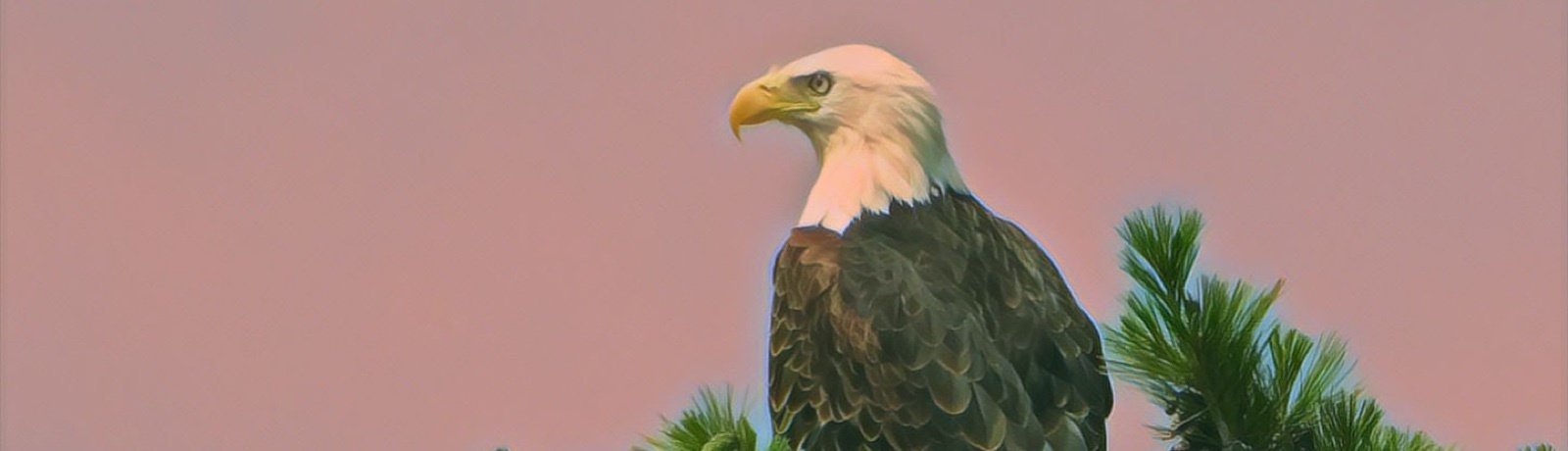
Enjoy a day on the water at this park that is mostly only accessible by boat.
Photo by Fighting Irish 1977
You cannot really traverse this national park by car. For the most part, access is by boat.
Water makes up more than one-third of Voyageurs, and it is scattered among four large lakes on the Minnesota-Canada border. To reach many campsites, beaches, and trails, you have to paddle or motor across the water.
The park’s name reflects that reality. In French, voyageur means “traveler,” and it referred to the French-Canadian canoe men who moved across these lakes centuries ago.
During the 1700s and 1800s, Europeans prized beaver fur for elegant hats and coats. Across North America, voyageurs hauled furs and trade goods in huge birchbark canoes, spending hours each day paddling.
They used these very waterways. The old canoe corridors they followed still serve as the park’s primary routes.
Long before the voyageurs arrived, people were already here. Native peoples have traveled through this region for at least 10,000 years, and the Ojibwe still have their own names for the major lakes.
Afterward came loggers, fishermen, and gold miners. Gold was discovered on Rainy Lake in 1893, and an entire town appeared almost overnight.
The boom did not last. By 1901, the town had vanished.
Calls to protect the land began as early as 1891. Congress did not approve the park until 1971, and it was formally established on April 8, 1975.
This is Minnesota’s only national park. Moose, wolves, black bears, beavers, and bald eagles all make their home here.
On cloudless nights, far from city glow, the sky becomes very dark. The park is a certified International Dark Sky Park, and the northern lights frequently shimmer above the lakes.
You can rent a canoe or kayak and follow the same routes used by the voyageurs. Another option is to boat to the Kettle Falls Hotel, which has hosted travelers since 1913, or to Ellsworth Rock Gardens, where a Chicago man spent years creating stone sculptures and flower beds. In autumn or winter, stay out late to catch the northern lights reflected on the water.
Sources: National Park Service, MNopedia (Minnesota Historical Society), and NASA Earth Observatory.


EARN UP TO
2,050 XP
Collect the stamp, answer the trivia and finish the quests at Voyageurs National Park.
Start your travel passportPoints Available
| Stamp | 1,400 XP |
| Trivia Questions | 300 XP |
| Trading Card | 350 XP |
| Total | 2,050 XP |
Login to customize your picture from Voyageurs National Park.

Exploring Minnesota