

Oman

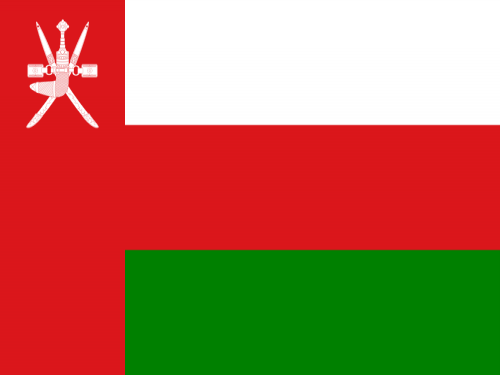
Discover Oman
Currency
Omani Rial
Capital
Muscat
Languages Spoken
Arabic
The history of Oman can be traced back to ancient times, with archaeological evidence suggesting that humans have inhabited the region for over 100,000 years. Early Omanis engaged in maritime trade, establishing connections with Mesopotamia, the Indus Valley, and even distant lands like Africa. The coastal cities of Oman, such as Sohar and Qalhat, were bustling trade centers.
In the 7th century, Islam arrived in Oman, bringing with it a new religion and culture that would deeply influence the country. Oman converted to Islam, and it became a center for the spread of the faith to other parts of the Indian Ocean region.
Over the centuries, Oman's influence extended beyond its shores, with the Omani Empire stretching across parts of East Africa and South Asia. During the 17th century, Oman was a significant maritime power, controlling territories in present-day Pakistan and even Zanzibar.
The 19th century saw Oman's influence wane, as European colonial powers established themselves in the Indian Ocean region. Oman became a British protectorate, which helped ensure its independence but also led to British influence in the country.
In the 20th century, Oman underwent significant changes under the leadership of Sultan Qaboos bin Said. Beginning in 1970, Sultan Qaboos implemented a modernization program that transformed Oman into a modern and prosperous nation. He invested in infrastructure, education, and healthcare, improving the quality of life for Omanis.
Oman's history also includes a focus on maintaining its cultural heritage and traditions. The country is known for its distinctive architecture, including forts and castles, and its vibrant arts, including music and dance.
Source ChatGPT
Experience Points


Points Available
| Sticker | 600 XP |
| Trading Card | 200 XP |
| Total | 800 XP |