

Pakistan
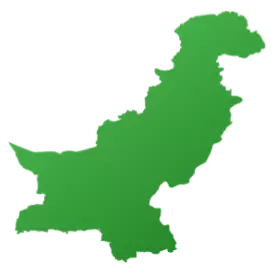
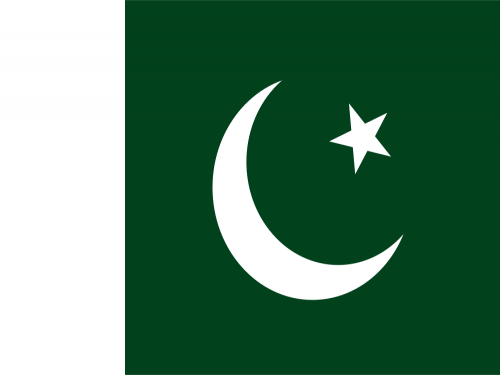
Discover Pakistan
Currency
Pakistani Rupee
Capital
Islamabad
Languages Spoken
Urdu, English
Fun Foods
Biryani, Nihari, Chapli Kebab, Gol Gappay, Chana Chaat, Halwa Puri, Mango Milkshake
About 4,500 years ago, the city of Mohenjo-daro, in what is now Pakistan, had something most of the world wouldn’t have for thousands of years: bathrooms in nearly every house, connected to covered drains under the streets.
Homes on upper floors even had stepped drain spouts, built so the water pouring down wouldn’t splash people walking below.
The city also had a Great Bath, a public pool lined with brick, and about 700 wells.
Mohenjo-daro was one of the biggest cities of the Indus Valley Civilization, among the world’s earliest. Archaeologists have even found clues that its children played with toys at bath time, just like kids today.
Thousands of years later, Mughal emperors ruled this region and built grand monuments. In 1673, Emperor Aurangzeb finished the Badshahi Mosque in Lahore, which was the largest mosque in the world when it was built.
Then Britain ruled for about two centuries. When British rule ended in August 1947, the land was split into two countries: mostly Hindu India and mostly Muslim Pakistan.
Pakistan became independent on August 14, 1947, led by Muhammad Ali Jinnah. This split, called Partition, was rushed and violent.
About 15 million people fled their homes, crossing the new borders, and possibly more than a million people were killed.
Right away, India and Pakistan both claimed Kashmir, a mountain region between them. They have fought several wars over it since, and both still control parts of it.
In May 2025, the two countries fought their most serious battle in decades before agreeing to a ceasefire.
Pakistan once had two parts, separated by India. In 1971, the eastern part fought for independence, and Pakistan’s army tried to crush the movement.
Huge numbers of people were killed, and the east became the new country of Bangladesh.
Pakistan is also home to Malala Yousafzai. In 2012, when she was 15, a Taliban gunman shot her on her way to school because she spoke up for girls’ right to learn.
She survived and kept speaking out. In 2014, at 17, she became the youngest person ever to win the Nobel Peace Prize.
For adventures, ride the Karakoram Highway, the highest paved international road in the world, up to the Khunjerab Pass on the Chinese border at more than 4,700 meters (15,400 feet).
Along the way, stop in the Hunza Valley, where apricots dry on rooftops in the autumn sun. Hike to Fairy Meadows for a view of Nanga Parbat, one of the tallest mountains on Earth.
Visit Mohenjo-daro’s ancient brick streets and the red sandstone Badshahi Mosque. And watch for jingle trucks, giant trucks painted in wild colors and hung with chains and bells.
For food, try biryani, rice layered with spiced meat, spicy in Karachi and milder in Lahore. Families wake up early for nihari, a slow-cooked stew eaten with fresh naan.
Chapli kebabs are crispy spiced meat patties from Peshawar. And in summer, try Pakistan’s famous mangoes, especially the Chaunsa and Sindhri varieties, in milkshakes and ice cream.
Sources: Human Progress: Mohenjo-Daro and Urban Sanitation, AP: India and Pakistan Have Been in Conflict Since 1947 Partition, and Google Arts & Culture: Badshahi Mosque.
Experience Points


EARN UP TO
1,000 XP
Collect the sticker and the trading card in Pakistan.
Start your travel passportPoints Available
| Sticker | 750 XP |
| Trading Card | 250 XP |
| Total | 1,000 XP |